A photo identification can be a useful first conversation with an unfamiliar crystal. It can suggest a name to investigate and bring reference information into one place. It becomes much more useful when you understand the difference between a visible clue, a model’s suggestion and a fact measured from your individual specimen.
Use AI to decide what to investigate next. Do not treat a suggested identity, authenticity implication or value estimate as laboratory evidence.
What information does a photograph contain?
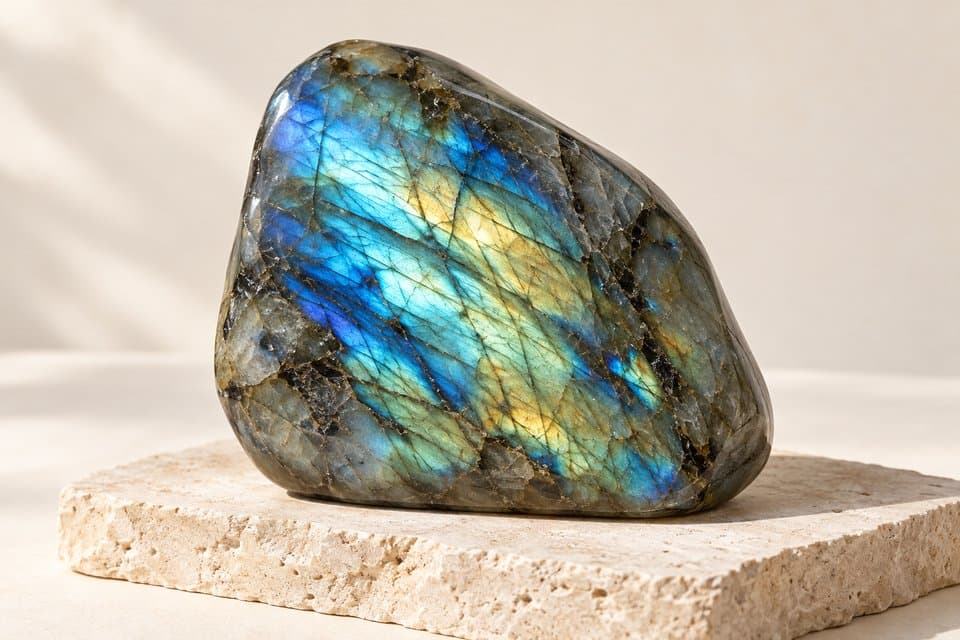
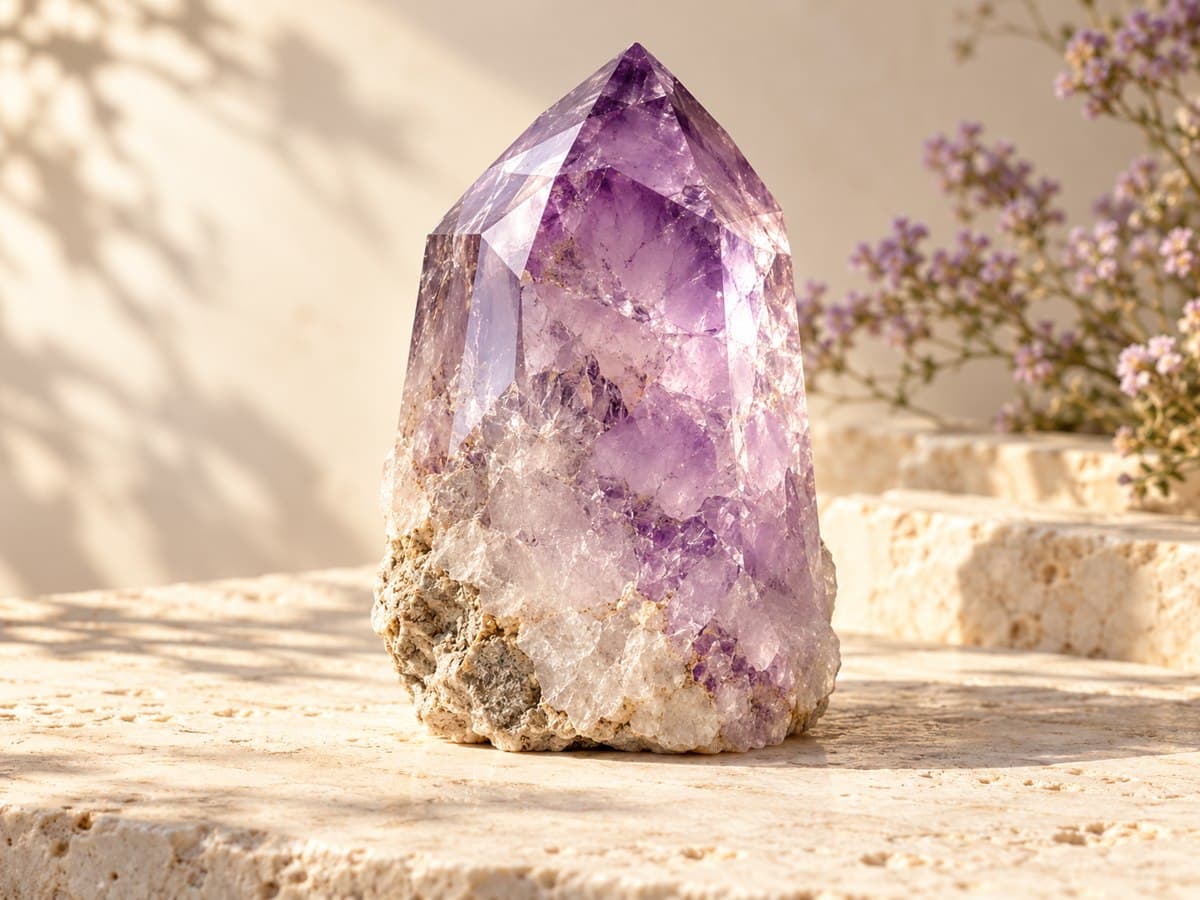
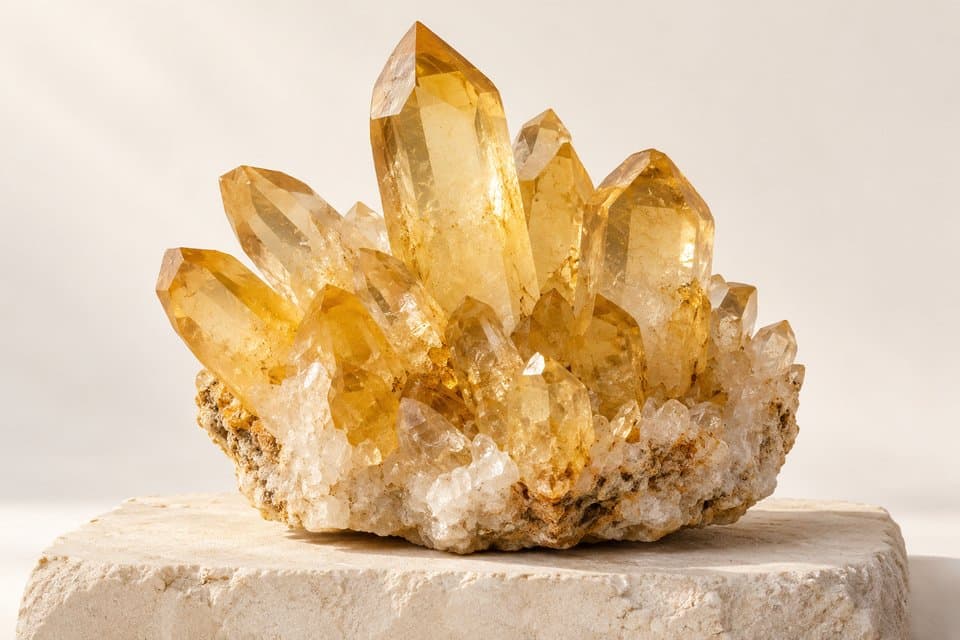
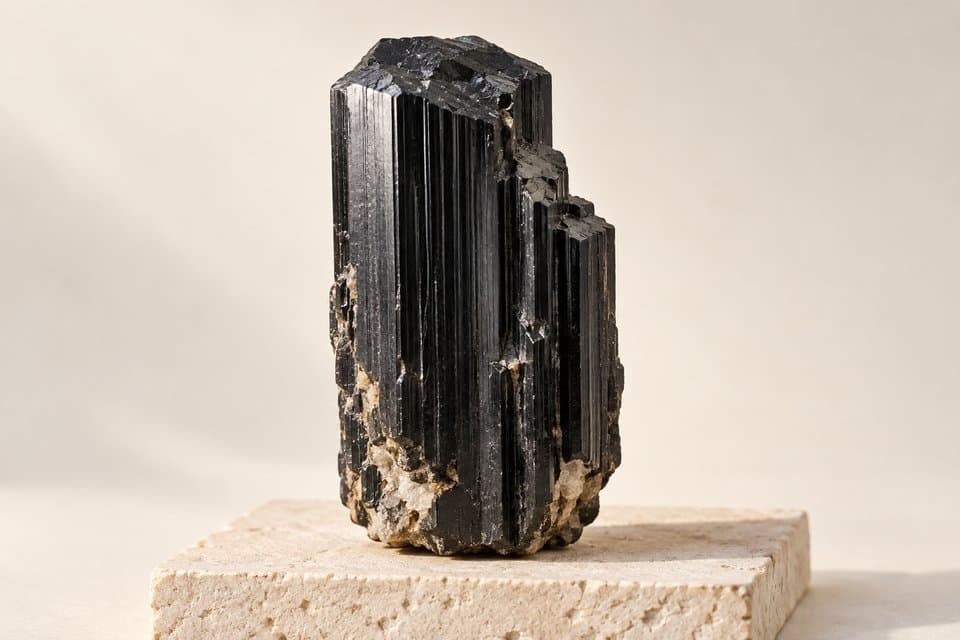
A clear photograph can show color, external form, surface texture and some visible patterns. It can also be misleading: lighting may shift color, a reflective patch may hide texture, or a polished surface may remove the natural shape that would otherwise be informative.
The model receives the image you provide, not the physical stone. It cannot scratch the specimen, weigh it in water or examine it with laboratory instruments through that image. Keep those limits in mind when a result includes detailed reference information.
Reference properties are not measurements
Suppose an app proposes quartz and displays a chemical formula or a hardness value. Those details describe quartz as a mineral. They do not prove that your specimen has been chemically analyzed or physically tested.
Similarly, a confidence indication is not an authenticity certificate. A result can be plausible and still be wrong. Ask what additional observation would make you more confident, rather than assuming a detailed explanation has removed the uncertainty.
A practical GemLore workflow
Take a clear photo or choose an image, then review the single best AI-suggested identification. Compare the explanation with the visible specimen. Explore available mineral properties, history and care information, keeping reference facts separate from your own observations.
If an estimated USD value range is available, treat it as informational rather than an appraisal. Save the discovery to your collection and add the context the camera could not provide. GemLore is free to download; AI identification and premium features require a subscription, and fair use limits apply.
- Keep the original photo and record where the stone came from.
- Compare the proposed mineral with more than one visible property.
- Add personal observations rather than copying a result as unquestioned fact.
- Seek expert examination when authenticity or a significant decision depends on the answer.
When the result does not fit
Retake the photograph if the image is blurred, heavily filtered or missing a useful side. Try a plain background and neutral light. If the same uncertainty remains, preserve it in your notes rather than forcing a confident label.
Professional identification can involve observations and instruments that are absent from a phone image. GIA’s account of colored-stone identification is a useful reminder of how much evidence a laboratory may consider. A good app workflow helps you ask a better next question; it does not replace that examination.
Sources & further reading
These guides combine practical collection advice with the mineral and gemological references below. Identification and value estimates are informational; photographs cannot replace appropriate expert examination.
From a little curiosity to your own collection.
Explore a likely mineral identification, learn its story, and keep your notes together.
Explore GemLore Free to download. AI identification and premium features require a subscription. Fair use limits apply.