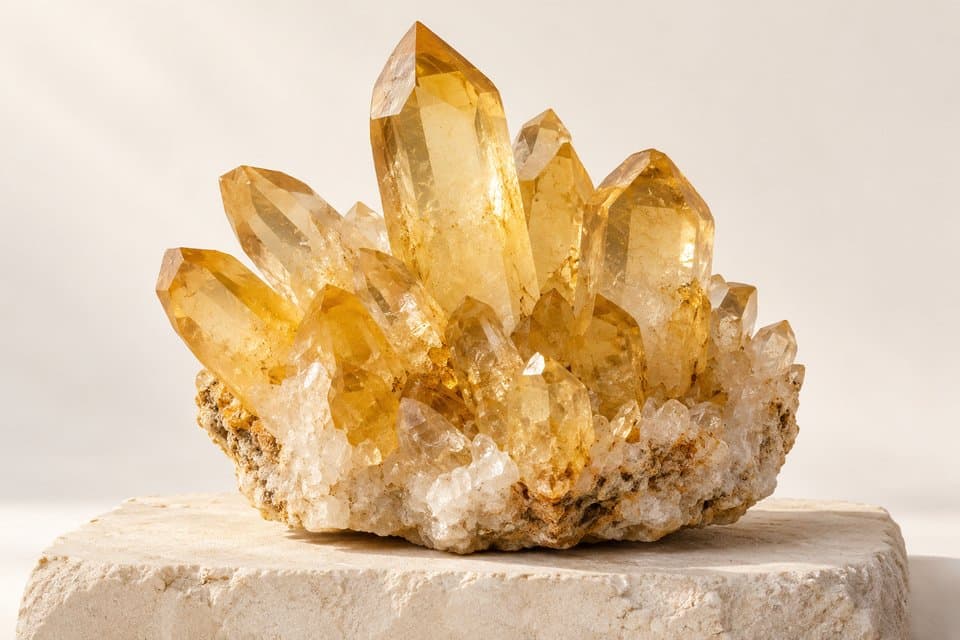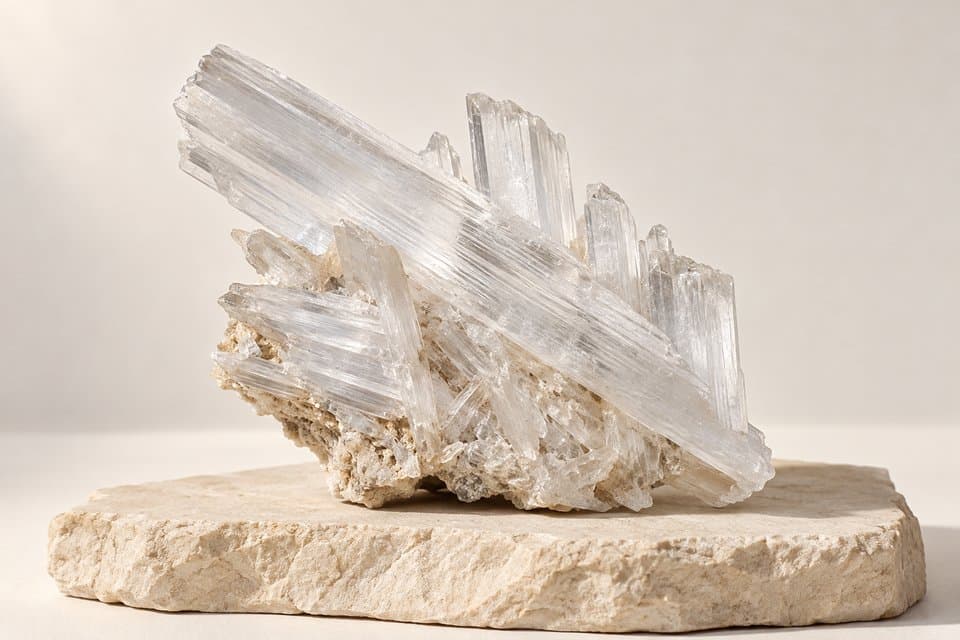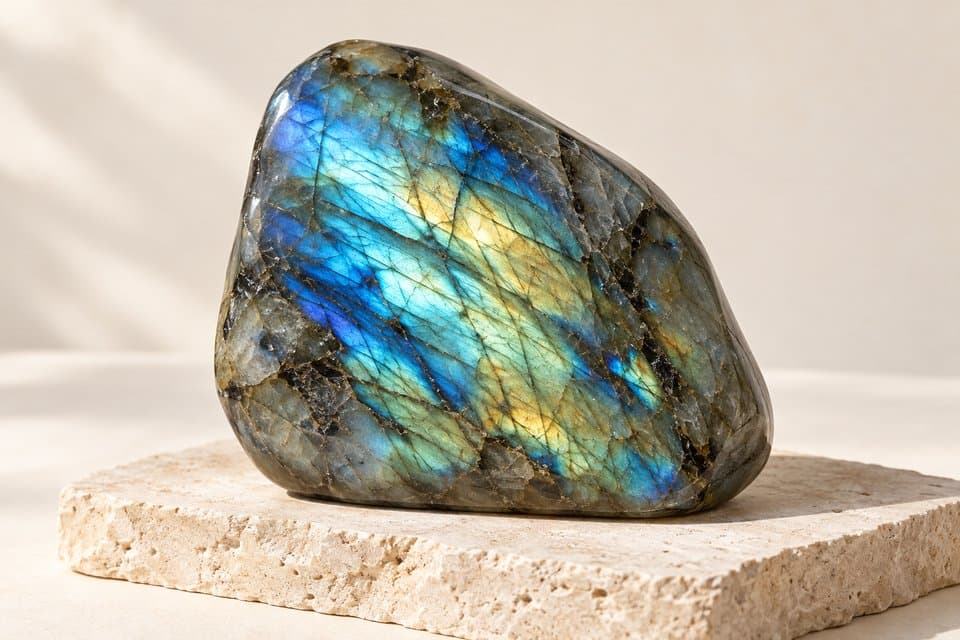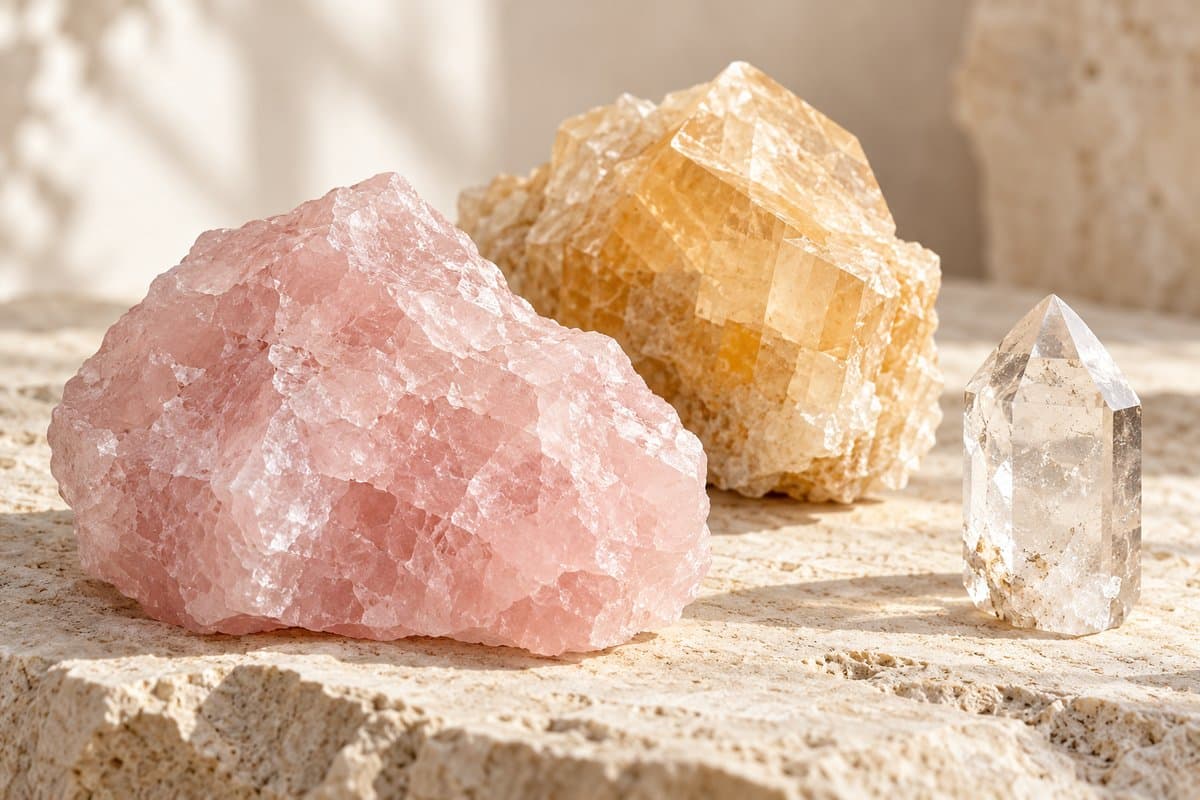
A collection does not need to be large to be interesting. A few well-documented specimens can teach you more than a drawer of unlabelled stones. Start with a system that is easy enough to use every time you bring a new piece home.
Give every specimen a stable identifier and keep its photo, source, proposed identity and personal story together.
Choose what you want to learn
You might collect quartz varieties, focus on specimens from places you have visited, or compare a handful of common minerals. A small theme makes the next purchase or find easier to evaluate. It also gives your collection a question to answer rather than just a number to increase.
Keep room for a piece that interests you for personal reasons. A gift or a modest field find can deserve an excellent record even if it is not rare. Document why it matters to you alongside the mineral information.
Create one record before adding the next stone
Use a simple, stable label such as GL-001. Put the same identifier on the specimen’s storage space and in your digital notes. A number that survives a revised identification is more useful than a label built entirely around a name that may change.
Record facts at the moment you acquire the piece, while its story is still fresh. Save the original seller description separately from your own conclusion. If the locality is not known, write “unknown” rather than selecting a plausible place from an image search.
- Identifier, date acquired and where it came from.
- Proposed mineral name and the source of that identification.
- Clear photographs, dimensions and condition notes.
- Receipt or purchase cost, if there is one.
- Personal notes and any care instructions specific to the piece.
Use a digital collection to connect the details
GemLore lets you save identified discoveries, keep personal notes, mark favorites and revisit results. A digital record is most useful when you add the context a camera cannot know: where you obtained the stone and why you chose it.
Keep important receipts or expert reports in a dependable place as well. The original document may contain details that a short collection note leaves out. When you revise an identification, record the reason so the change remains understandable.
Separate spending from estimated value
The amount you paid is a historical fact about a transaction. An estimated value range is a separate interpretation. Keep both labels clear, and do not replace the receipt amount each time you see a different asking price online.
A useful collection is one you can navigate, learn from and care for. Review a few entries at a time: check their labels, add a missing view and make sure each piece has a safe storage position. Organization works best as a small habit, not an occasional rescue project.
Sources & further reading
These guides combine practical collection advice with the mineral and gemological references below. Identification and value estimates are informational; photographs cannot replace appropriate expert examination.
From a little curiosity to your own collection.
Explore a likely mineral identification, learn its story, and keep your notes together.
Explore GemLore Free to download. AI identification and premium features require a subscription. Fair use limits apply.