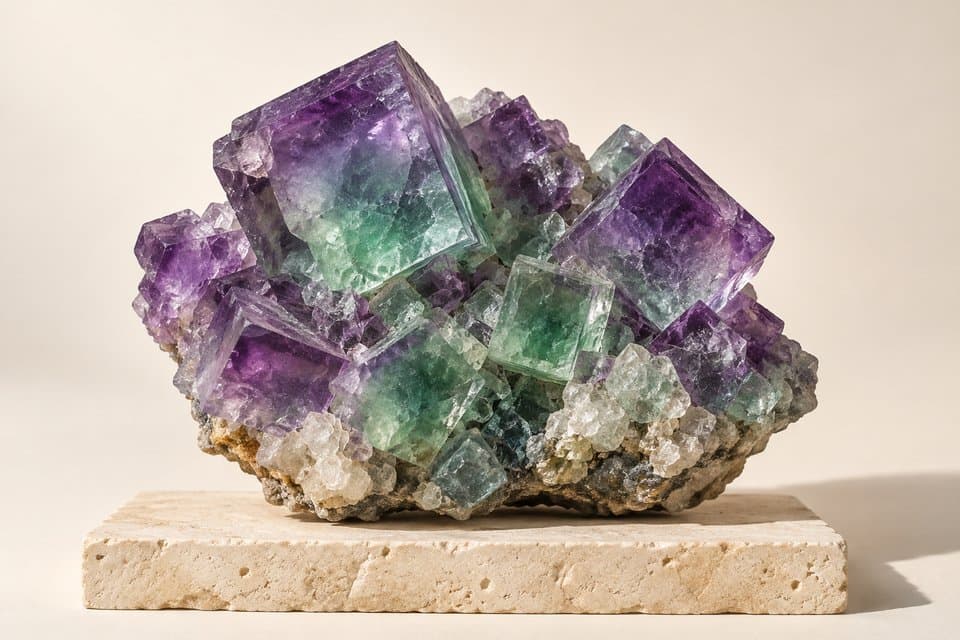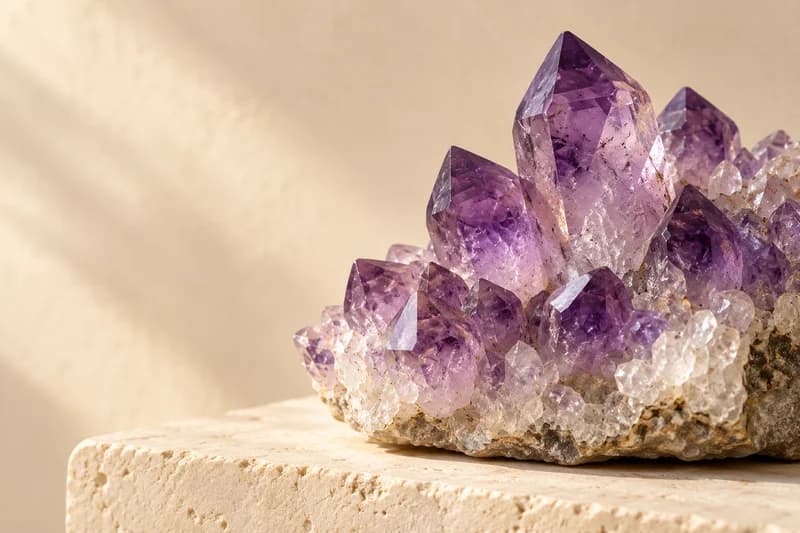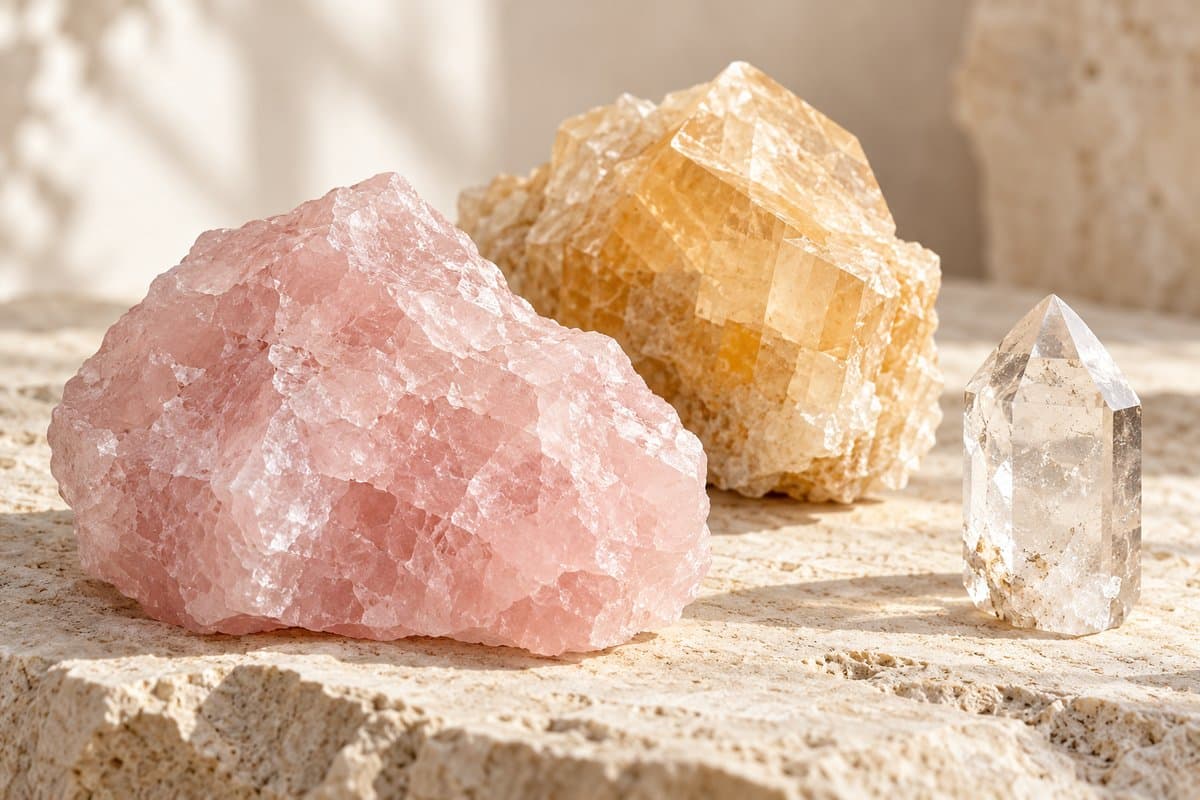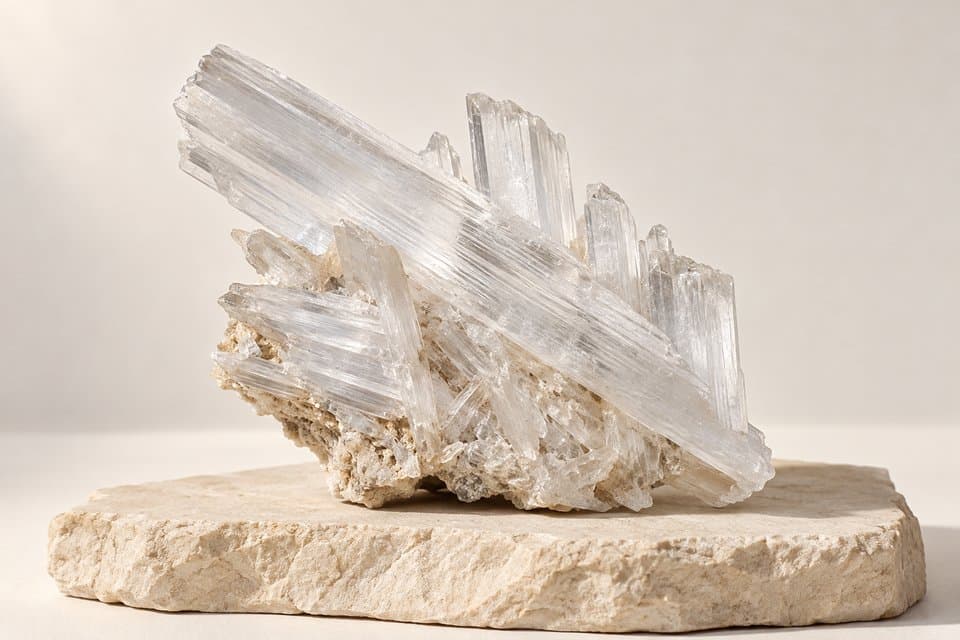
A cleaning method that suits one object may be a poor choice for another. A crystal cluster can contain more than its headline mineral: a host rock, delicate secondary crystals, repairs or a surface treatment may all matter. The best first step is to understand the object before trying to improve its appearance.
Identify before cleaning, start gently and keep specimens separated. Unknown material deserves a cautious plan rather than a universal recipe.
Identify the specimen before choosing a method
Check the proposed mineral identification and look at the whole piece. Is it a loose stone, a mixed cluster, a carving or jewelry in a setting? Are there fragile areas, visible repairs or material that could detach? Note these before any cleaning begins.
GIA’s care guidance emphasizes that durability and treatments influence suitable care. A mineral name alone does not tell you everything about an assembled or treated object. If you are uncertain, ask the seller or an appropriate specialist for specimen-specific advice.
Start with less intervention
For a stable display piece, a very soft, clean brush or cloth may be enough to remove surface dust. Work over a supportive surface, hold the base securely and avoid pulling at tiny points. Stop if the surface sheds, flakes or moves.
Do not assume that salt, acid, a dishwasher, steam or an ultrasonic cleaner is suitable for an unknown stone. Even a familiar cleaning recommendation needs to account for the object’s other materials. A quick consultation can prevent a permanent change that no photograph will reverse.
Think about light, heat and contact
A display should make the specimen visible without exposing it to unnecessary risk. Keep shelves stable and leave enough space to lift one object without knocking the next. Strong sunlight and heat are not suitable defaults for every gemstone; GIA specifically notes light- and heat-related risks for some materials.
Separate pieces in storage rather than letting them rub together. Mohs hardness can help explain scratching resistance, but it does not predict every kind of damage. A firm, supportive compartment is useful even for a mineral with a relatively high hardness.
Keep a short care log
Record the date, method and visible result when you do clean a specimen. Keep a baseline photograph in similar lighting so you can distinguish a real change from a change in camera exposure. This is particularly helpful for pieces with existing chips or delicate surfaces.
If you move a specimen into a new box, update its location in your notes. A care system does not need many fields: the proposed mineral, its condition, the storage position and a reliable source of care advice are a useful start.
Sources & further reading
These guides combine practical collection advice with the mineral and gemological references below. Identification and value estimates are informational; photographs cannot replace appropriate expert examination.
From a little curiosity to your own collection.
Explore a likely mineral identification, learn its story, and keep your notes together.
Explore GemLore Free to download. AI identification and premium features require a subscription. Fair use limits apply.